Walking the Dog on Banstead Commons
July 2026
How a daily stroll led one local man to discover a rewarding volunteer role with the Conservators.
By Peter Taylor-Medhurst
What began as daily dog walks on Banstead Commons has turned into a deeply rewarding creative adventure – one that has combined my love of photography, design, and the natural world in ways I could never have planned.
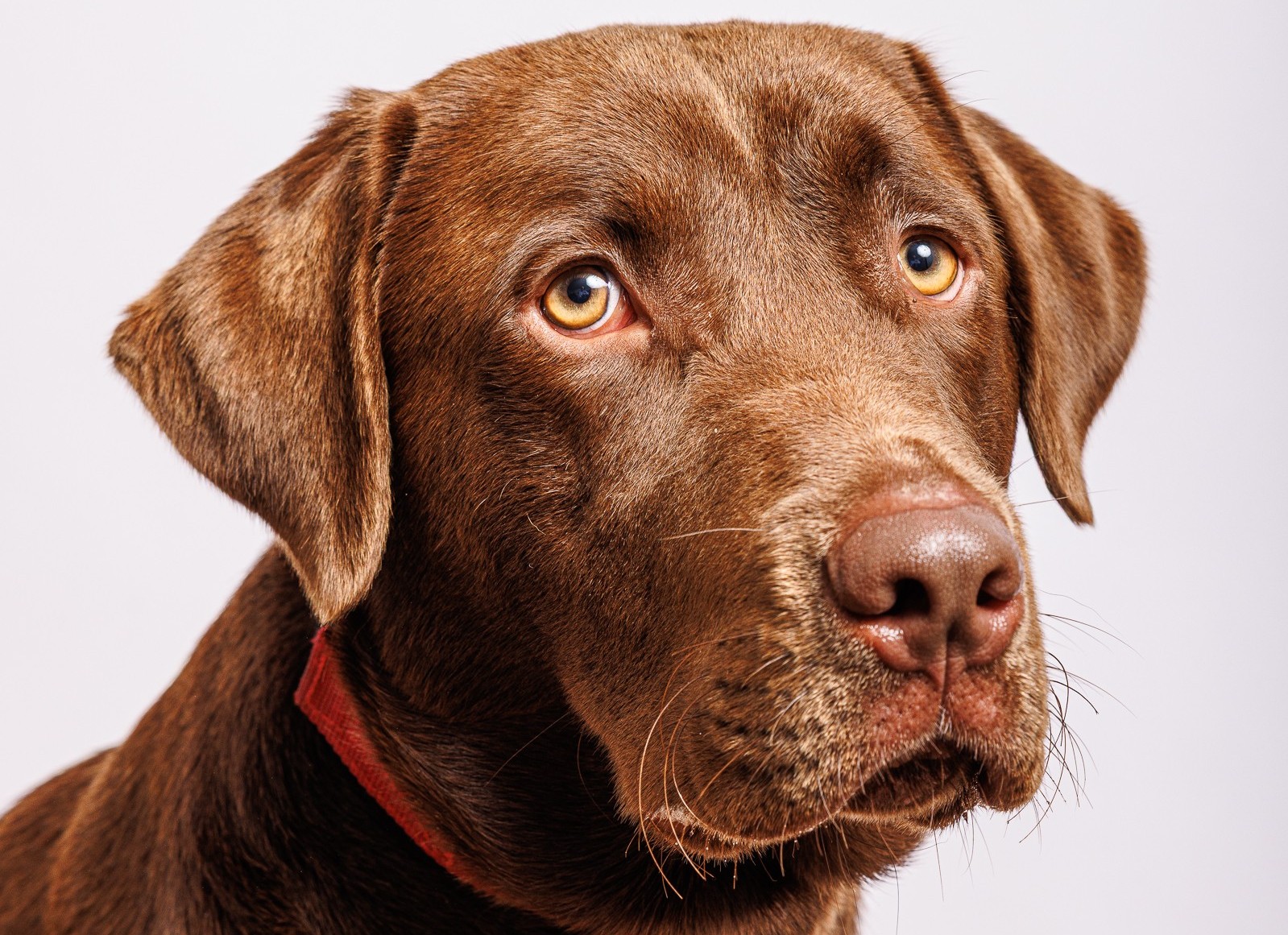
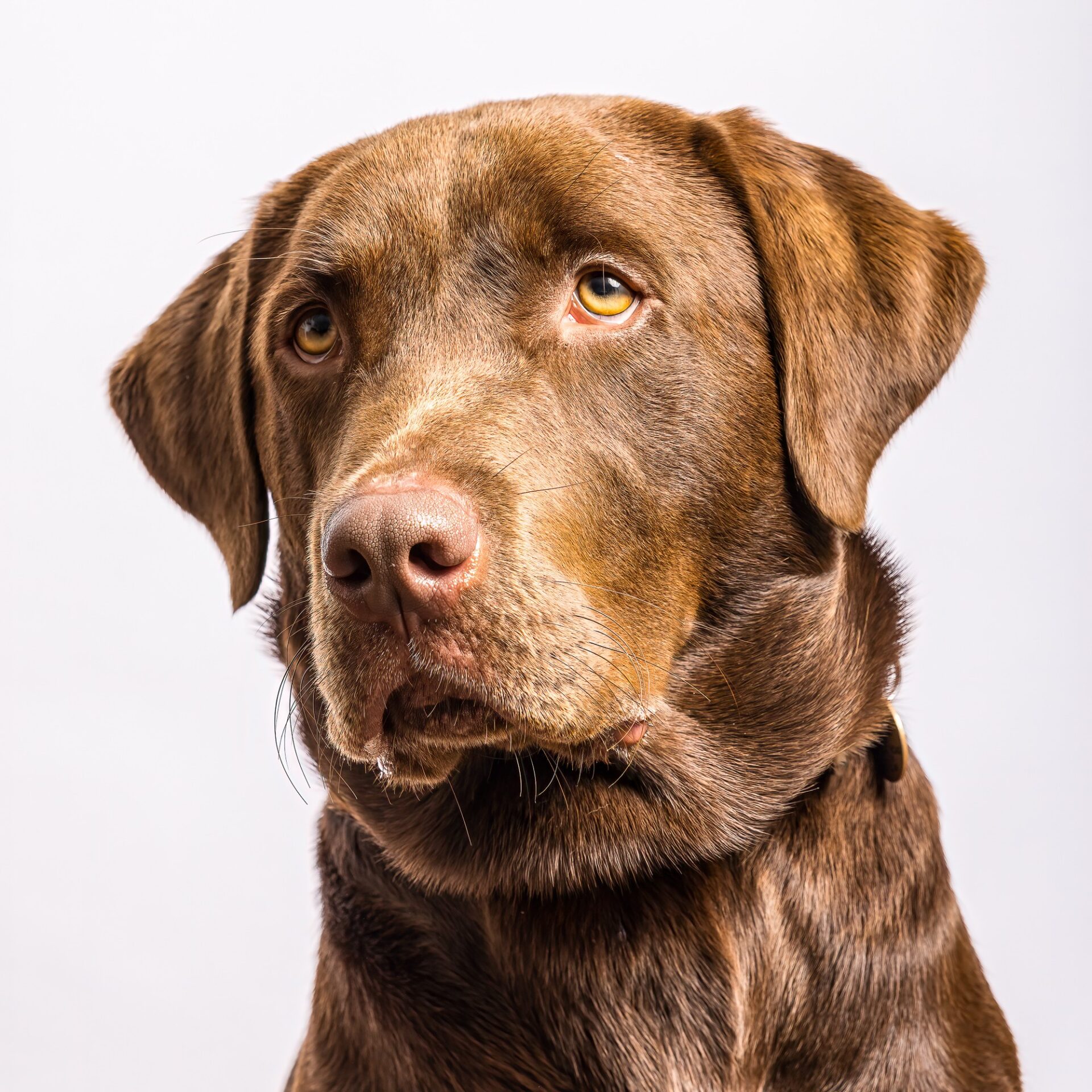
When I retired, I promised my wife that we wouldn’t take one of her son’s Labrador puppies. Over Christmas with them that resolve collapsed and I fell under the spell of a chocolate Labrador with a white blaze on his chest, and “Patch” became part of the family. He has been the perfect walking companion – always ready to go out, whatever the weather – and, in truth, the reason I now spend more time outdoors than ever before.
We’re lucky to live next to Banstead Downs, one of four commons in the Banstead Commons Conservators’ care, covering more than 400 acres of chalk grassland and woodland in Surrey. It’s a place rich with wildlife and history: orchids, butterflies, and a sense of open space that feels increasingly rare so close to London. For Patch, it’s an endless playground; for me, it’s become an ever-changing source of photographic inspiration.
A chance encounter
It all began quite innocently. After one of our early walks, I emailed the Clerk responsible for the day-to-day management of the Commons with a small query. A few days later she replied – a lady, as I would soon discover, of persuasive energy and great vision. When we met, she mentioned that she had looked at my website and wondered if I might take some photographs for a new website the Conservators were planning.
At the time, it felt like a pleasant diversion – something to keep me busy and perhaps a chance to give something back to a place I was already enjoying so much. What I hadn’t realised was how quickly it would grow into something far bigger and more rewarding.
Exploring new territory
My usual photographic subjects were quite different – motor racing, horse racing, travel, and product photography. Nature photography was new to me, but with Patch always ready for an outing, I was soon exploring all four commons: Banstead Downs, Banstead Heath, Burgh Heath, and Park Downs. The Clerk and several volunteers, including local naturalists, showed me around, pointing out wildflowers, butterflies, and habitats that made each site unique.
This was photography with a purpose. Instead of shooting for myself, I was documenting a landscape for others to understand and appreciate. I began to see familiar paths in a new light, noticing the subtle differences between seasons, the play of light on chalk grassland, the sudden appearance of orchids in early summer, or the shimmer of dragonflies over a pond in August.
Building the new website
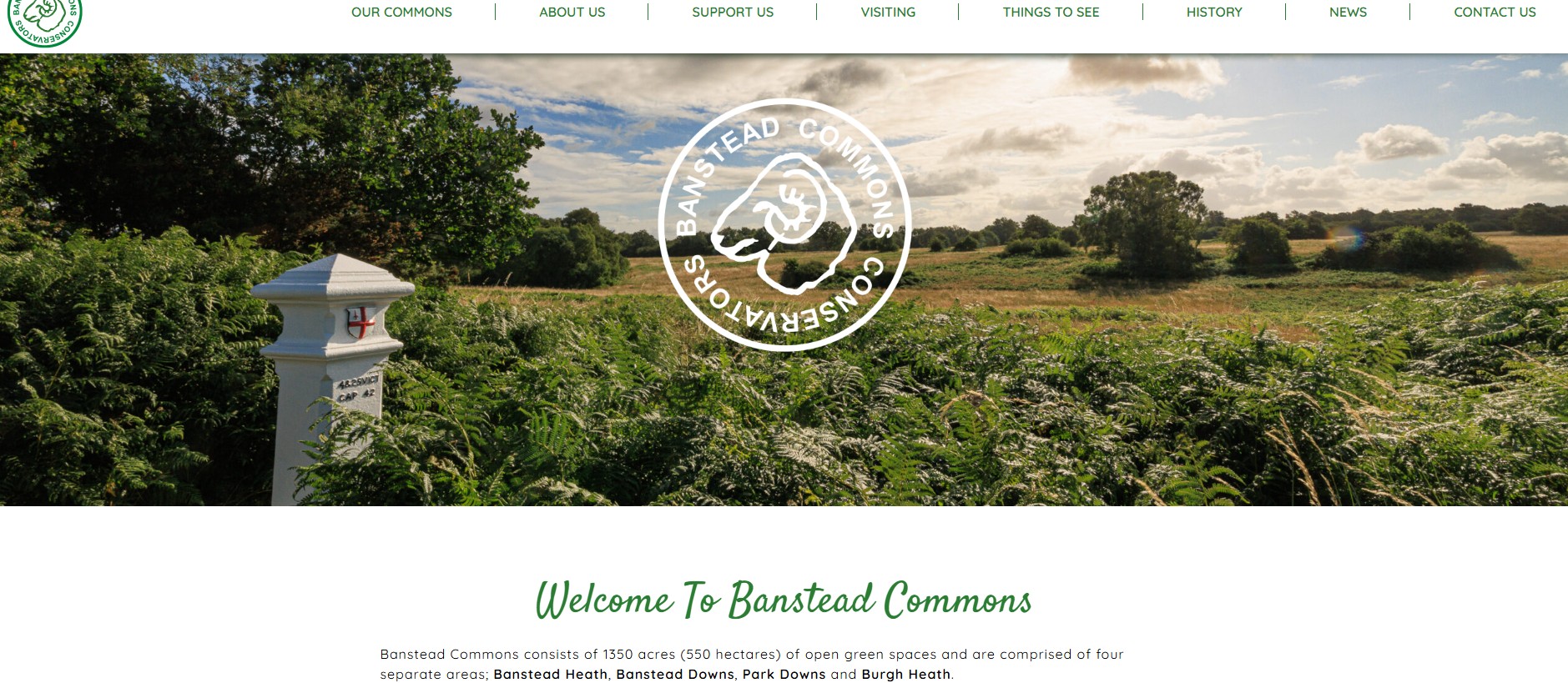
As the photography project progressed, my background in publishing proved useful helping with suggestions for the new Banstead Commons Conservators website. The aim was to create something modern, simple, attractive, and informative – showcasing the Commons through fresh imagery while making information easy to find for visitors and local residents.
Once the site went live, I continued to supply images for it and for the Conservators’ social media channels. Photographing community events, volunteer days, and seasonal highlights added variety.
A shared effort
One of the great joys of this project has been the way it’s brought together so many local enthusiasts. I make no claim to be an expert on plants or insects, but I soon discovered that many of my fellow walkers were. Several were keen amateur naturalists, photographing butterflies or fungi on their phones. I invited them to share their images at the highest resolution possible so we could start building a digital archive of flora and fauna for each of the four commons.
What began as a small idea has grown into a collaborative image bank. With the superb quality of modern smartphones, we now have an informal network of citizen photographers helping to document the changing seasons, record sightings, and provide fresh material for the website and social media. It’s a great example of how photography can connect people and strengthen community ties.
Learning and evolving
Around the same time, I became more involved with the RPS Digital Imaging Group (DIG). Their online courses proved invaluable – especially one led by Joe Houghton on Lightroom. Although I’d used the software for years, it was eye-opening to realise how much I didn’t know. Learning new editing techniques, improving workflow, and understanding colour management gave my images greater polish and consistency.
Later, I took a DIG course on Canva, an intuitive design tool for creating posters and publications. This turned out to be a perfect fit for the volunteer work I was doing with the Conservators. Using Canva, I produced a series of event posters, an illustrated, page-turning version of the annual Report and Accounts, and a new Guide to the Commons – all now available online. It was satisfying to see photography, design, and local engagement come together in such a practical way.
Inspiring the next generation
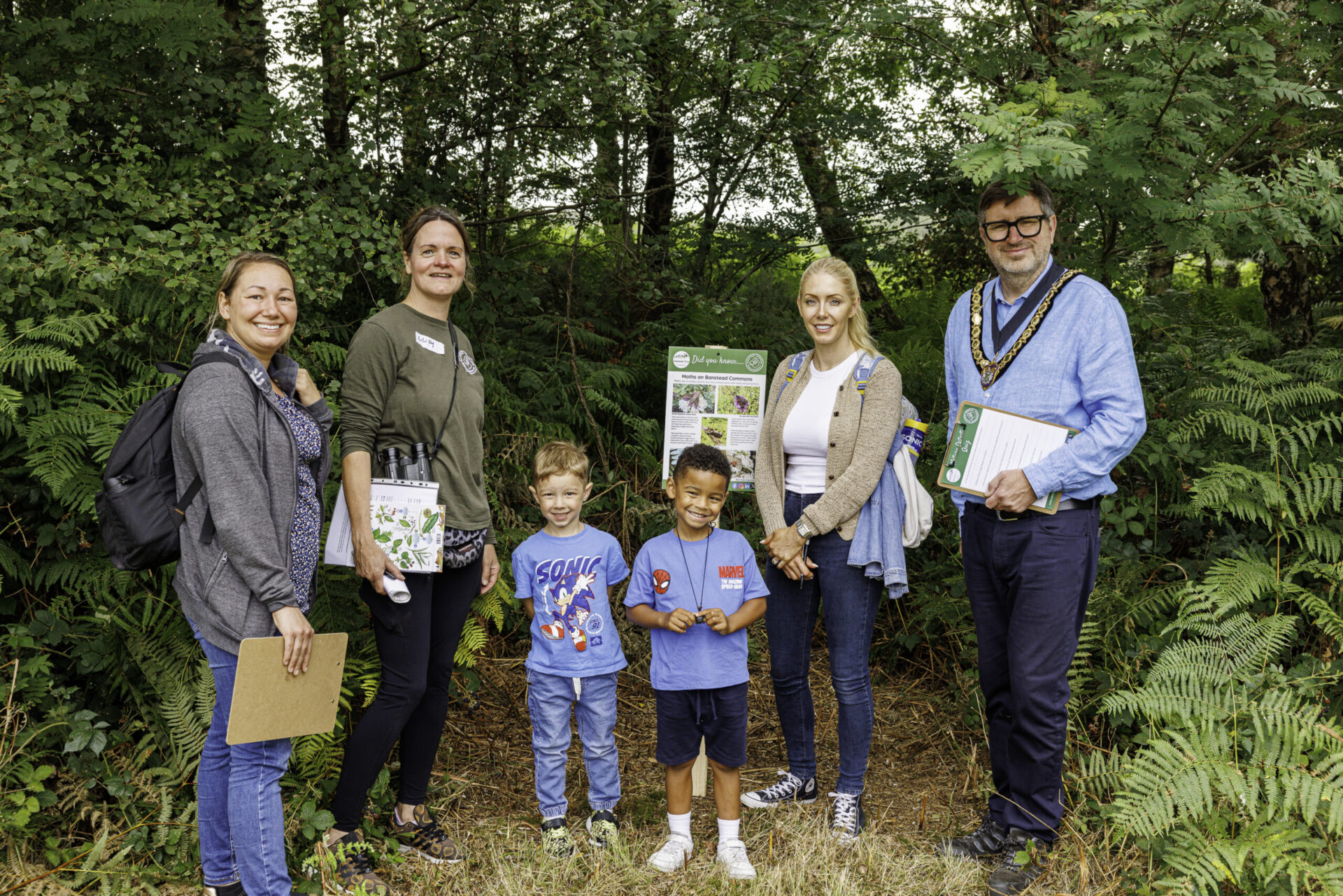
Last year, the Clerk organised “Nature Detective Days” to encourage families and children to explore the Commons and learn about the plants and wildlife that live there. I was asked to create a series of twenty posters to display on the day, each featuring different species – from butterflies and birds to wildflowers and trees. Using my own photographs and those submitted by others, I designed the posters in Canva, they were printed at large scale, and put up around the site.
The response was heartening. Children were stopping to look at the pictures, matching them to what they saw in the meadows, and asking questions. Parents were taking photos of the posters on their phones to learn more later. It was a reminder that photography doesn’t just record – it can educate, inspire, and create a bridge between people and the natural world.
The bigger picture
Volunteering with the Banstead Commons Conservators has shown me how much can be achieved with a small but dedicated team. The Clerk, supported by a couple of staff and an ever-growing band of volunteers, coordinates everything from habitat management and litter clearance to education and community outreach. Photography and design are just one part of that story – but they play an important role in making the work visible, accessible, and engaging.
For me, the experience has been unexpectedly fulfilling. It has kept me active, given structure to my days, and opened new creative doors. I’ve learned more about wildlife and the environment, met fascinating people, and honed my photographic eye by working with a clear sense of purpose.
A final reflection
What started as an innocent offer to take a few photos has become something much more meaningful, a way to combine photography with community, learning, and the simple pleasure of being outdoors. Each walk with Patch brings something new: the way light catches on frosted grass, a kestrel hovering over the Downs, the pattern of clouds across the horizon.
Photography, at its best, teaches us to notice. And in noticing, we connect – with place, with people, and with the passing moments that make up our everyday lives.
Patch, of course, remains blissfully unaware of all this. For him, it’s still about the next walk, the next puddle, and perhaps the next stick. But without him, I might never have discovered this rich new chapter of creativity. Sometimes the best photographic projects really do start by just walking the dog.
________________________________________
About the Author
Peter Taylor-Medhurst is a member of the RPS Digital Imaging Group. A retired publishing professional, he enjoys combining photography and design with his passion for the outdoors. Peter’s recent work with the Banstead Commons Conservators has focused on documenting local wildlife and creating visual materials to support community engagement. When not behind the camera, he can usually be found walking his Labrador, Patch, on Banstead Downs. You can view Peter’s website by clicking here.
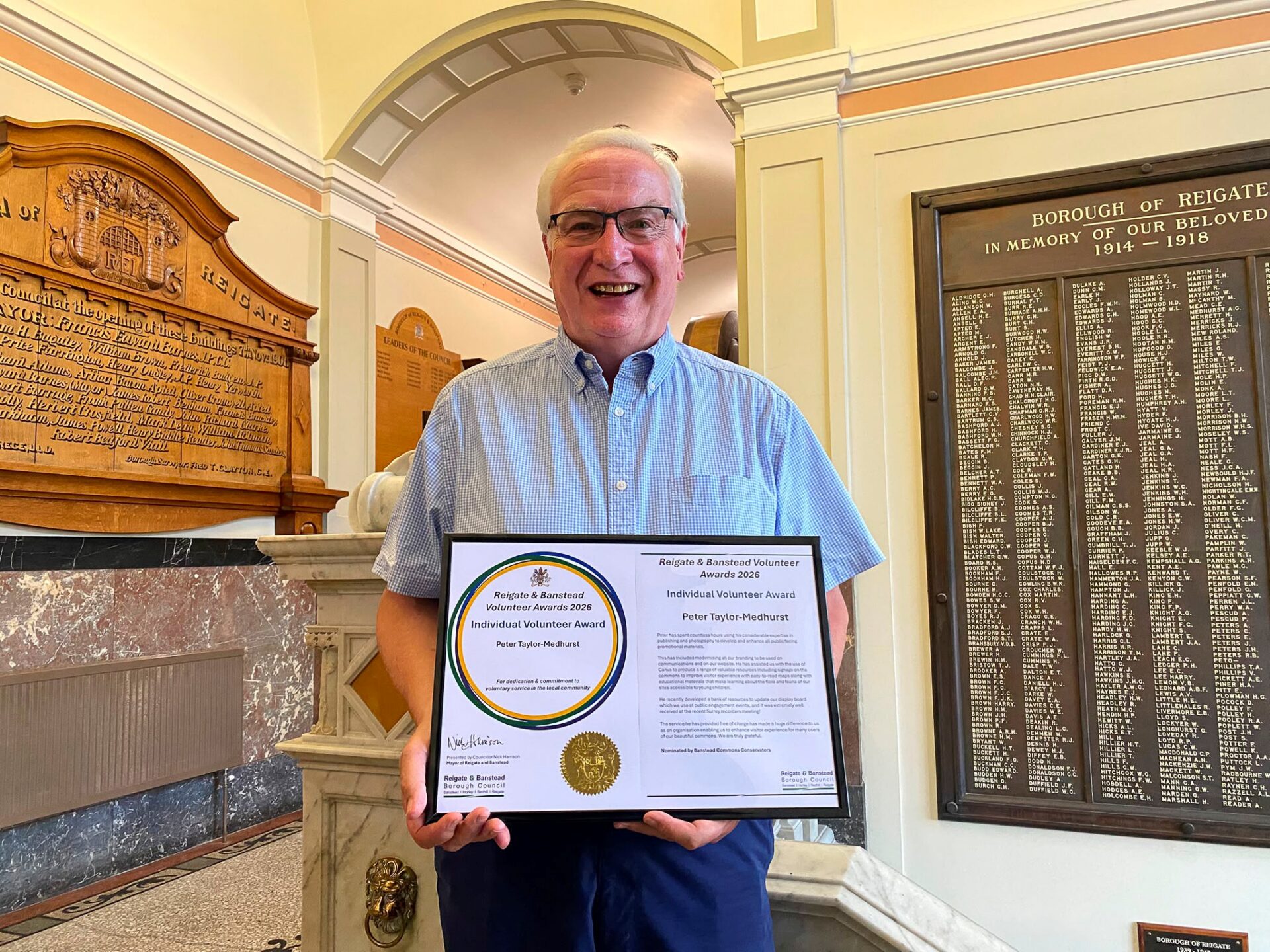
Image: Peter receiving his well-deserved Individual Volunteer Award from Reigate and Banstead Borough Council.