
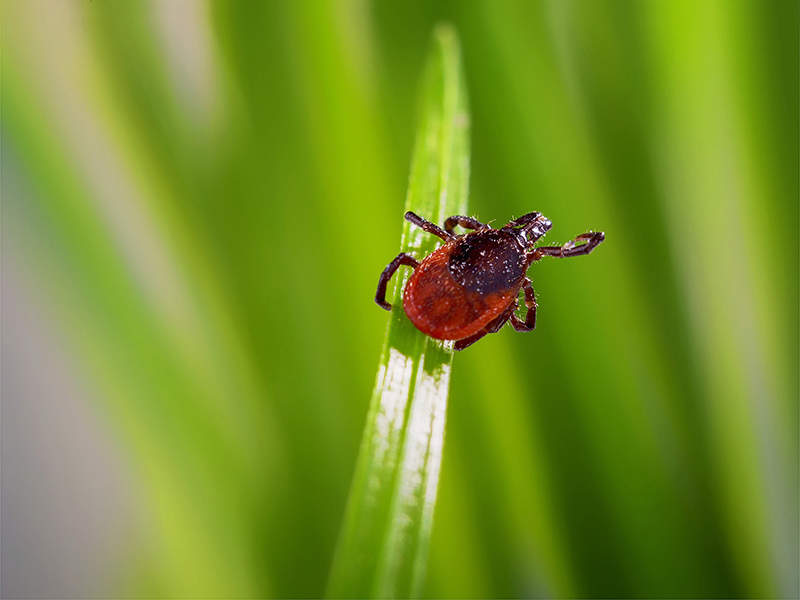
Tick Awareness at Banstead Commons
May 2026
Banstead Commons is home to a rich variety of grassland, scrub, and woodland habitats that support a wide range of wildlife. Ticks are a natural part of these environments and are commonly found in areas such as long grass, dense vegetation, and woodland edges.
While most tick bites are harmless, some ticks can carry infections such as Lyme disease. Visitors are encouraged to take a few simple precautions to reduce the risk of bites while enjoying the Commons.
Staying Safe Outdoors
When visiting Banstead Commons, particularly in areas of long grass or scrub:
- Wear long trousers and sleeves where practical
- Consider tucking trousers into socks in higher-risk areas
- Use insect repellent on exposed skin if appropriate
- Stick to paths where possible and avoid brushing against dense vegetation
After Your Visit
Taking a few moments to check for ticks can help prevent problems:
- Check your body, especially around ankles, behind knees, waist, armpits, and scalp
- Check clothing, footwear, and any items you’ve taken with you
- Showering after your visit can help remove unattached ticks
If You Find a Tick
If you find a tick attached to your skin:
- Remove it promptly using a tick removal tool or fine-tipped tweezers
- Grasp it close to the skin and pull upwards steadily (avoid twisting or crushing)
- Clean the bite area and wash your hands
- Make a note of when and where you may have picked it up
When to Seek Advice
Most bites are harmless, but you should seek medical advice if you notice:
- A spreading rash (often circular)
- Flu-like symptoms in the days or weeks after a bite
Be sure to mention any recent tick exposure.
By taking these simple precautions, you can continue to enjoy Banstead Commons safely while helping us protect these important habitats for wildlife.